

A group of friends from Atlanta, Georgia — two of them vegetarian, the rest not — found the chef’s vegetarian menu the way most people find things now: scrolling through Instagram stories. What caught their attention wasn’t the usual promise of “vegetarian options available.” Looking closer, the two vegetarians showed it to the rest of the group, and something clicked for all of them at once: this wasn’t the classic menu built to accommodate a vegetarian at the table. It was a genuinely exciting menu for everyone, despite being vegetarian, not because of some concession made for two people’s dietary preference. The whole table agreed: this was the one they wanted, during their stay in Nesso, on Lake Como.
Why vegetarian cooking is the harder, more interesting problem
There’s a version of fine dining where impressing the table is straightforward: a perfectly cooked, dry-aged ribeye does most of the work on its own. Good technique matters, but the ingredient itself is already carrying real weight before it even reaches the plate. Vegetarian cooking doesn’t get that shortcut. A root vegetable or a tuber has to earn every bit of attention it gets — there’s no inherently “impressive” starting point to lean on, which is exactly what makes building a genuinely memorable vegetarian menu the more demanding, more creatively interesting problem to solve.
By the time this group reached out, the season had moved on from the menu they’d originally seen on Instagram — which meant building something new rather than repeating it. The goal was the same, though: a menu that used real technique, varied textures, and a genuine range of ingredients to make vegetables the main event, not a category being politely accommodated.
What the evening actually looked like
The menu leaned into contrast and technique rather than trying to imitate meat-centric courses:
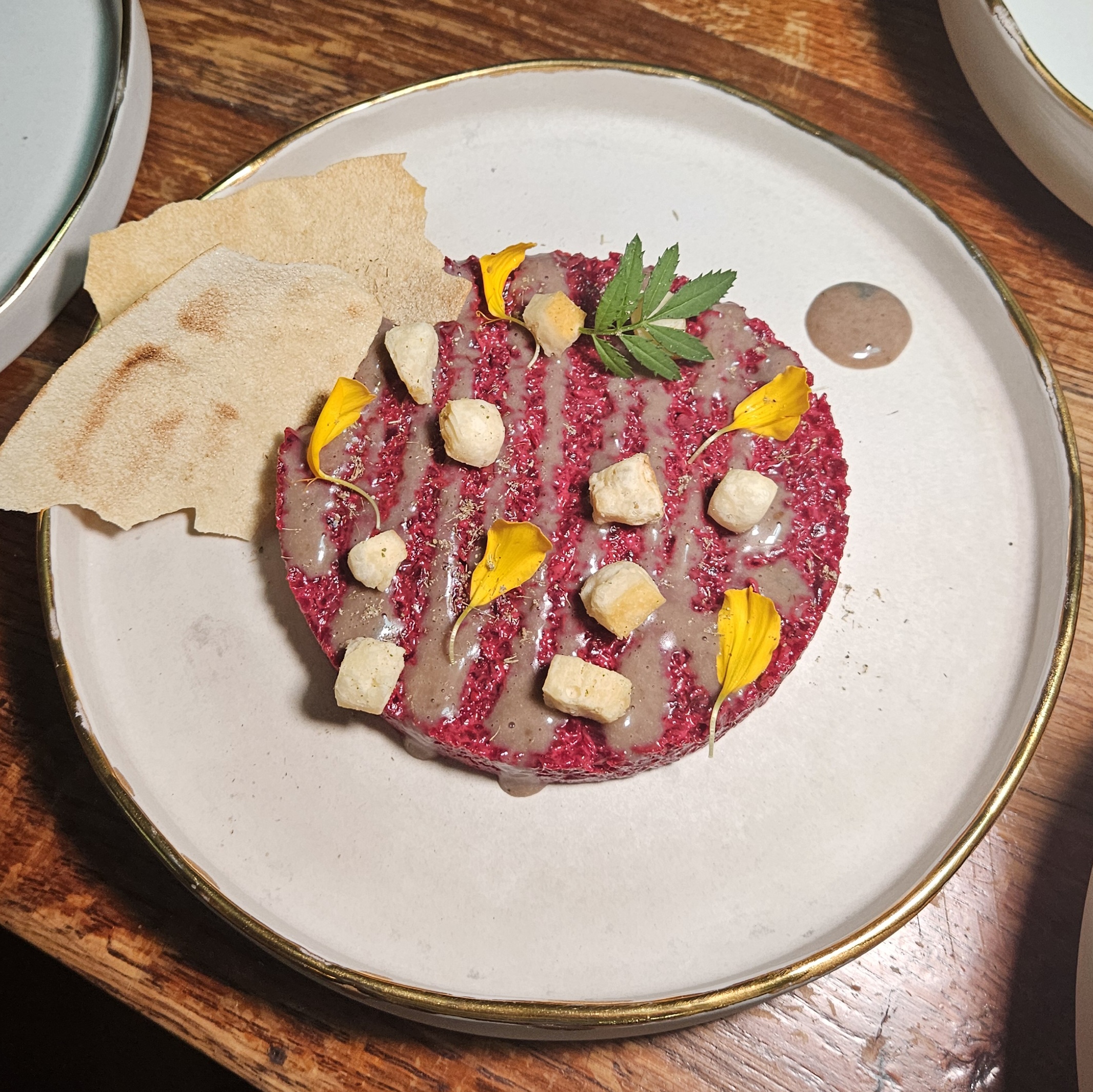
- Beet tartare, lavender mayonnaise and puffed parmesan — a root vegetable treated with the same precision as a classic tartare, proving beetroot can carry a course on its own.
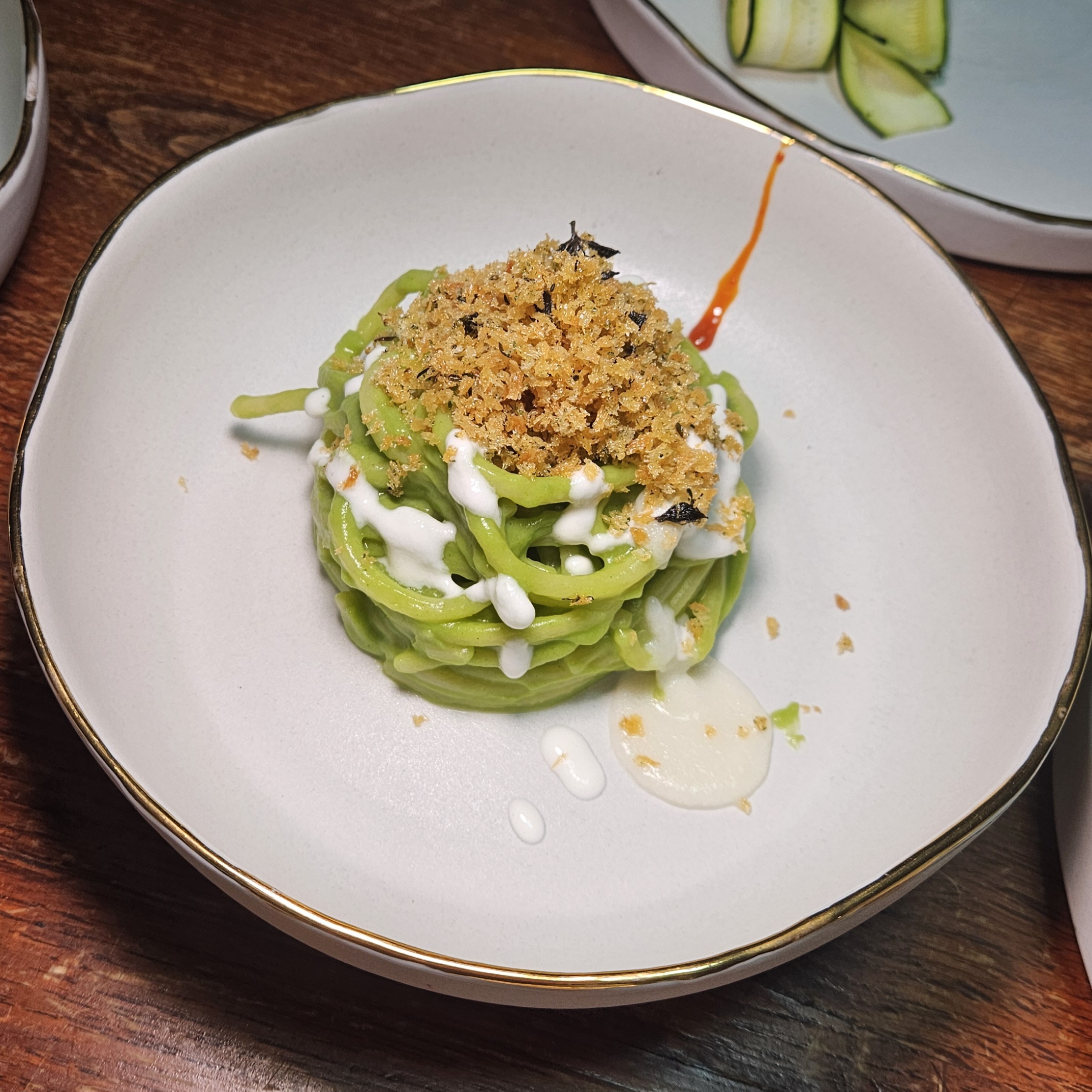
- Spaghettoni with broccoli, Tuscan aglione cream and crunchy herb bread — a pasta course built entirely around vegetables and technique, with no meat-based sauce standing in behind it.
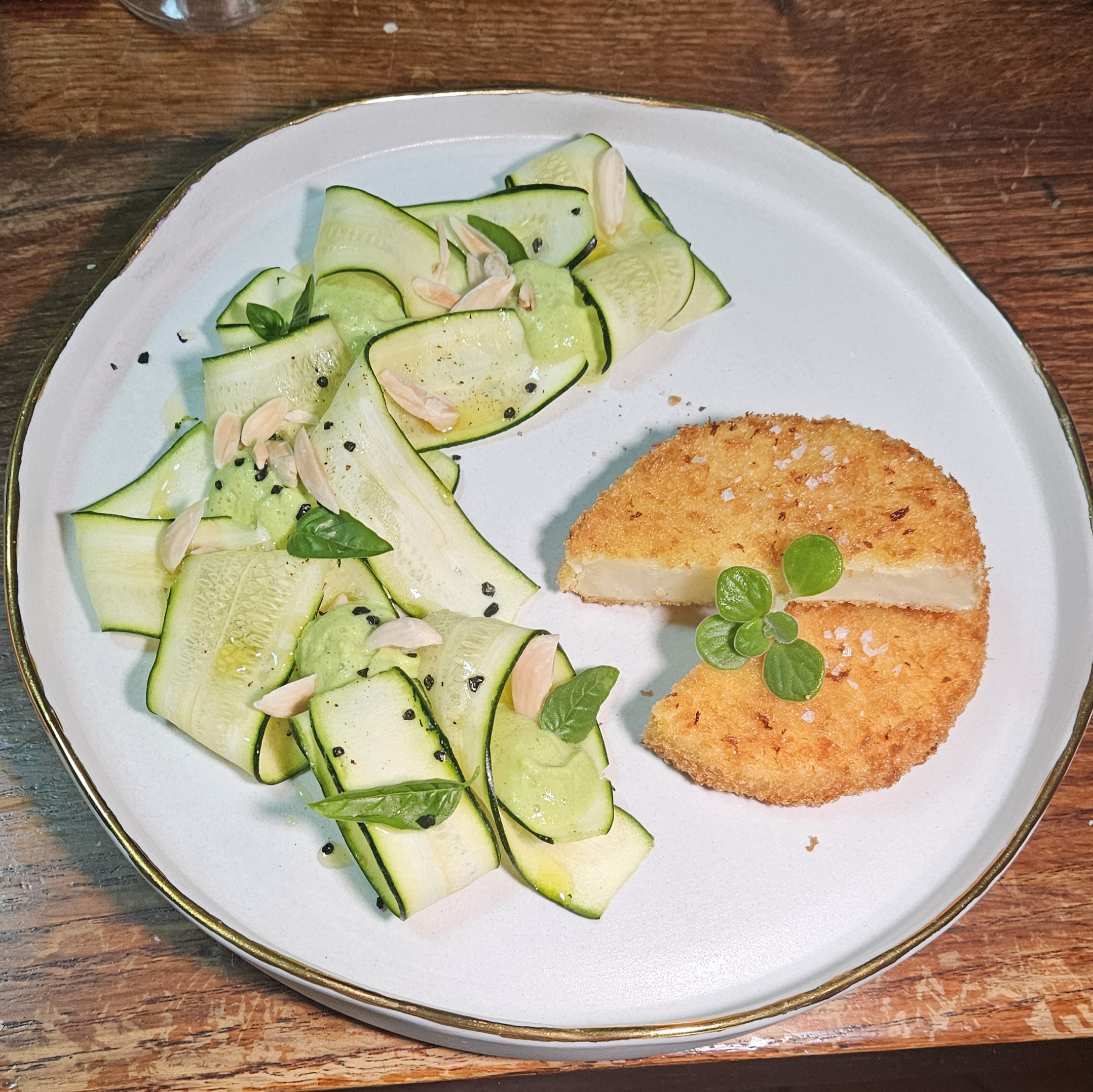
- Celeriac cooked in ash for a subtle smoky depth, then breaded and fried, served with a zucchini carpaccio mousse and toasted almonds — a root vegetable given the kind of layered treatment usually reserved for a protein.
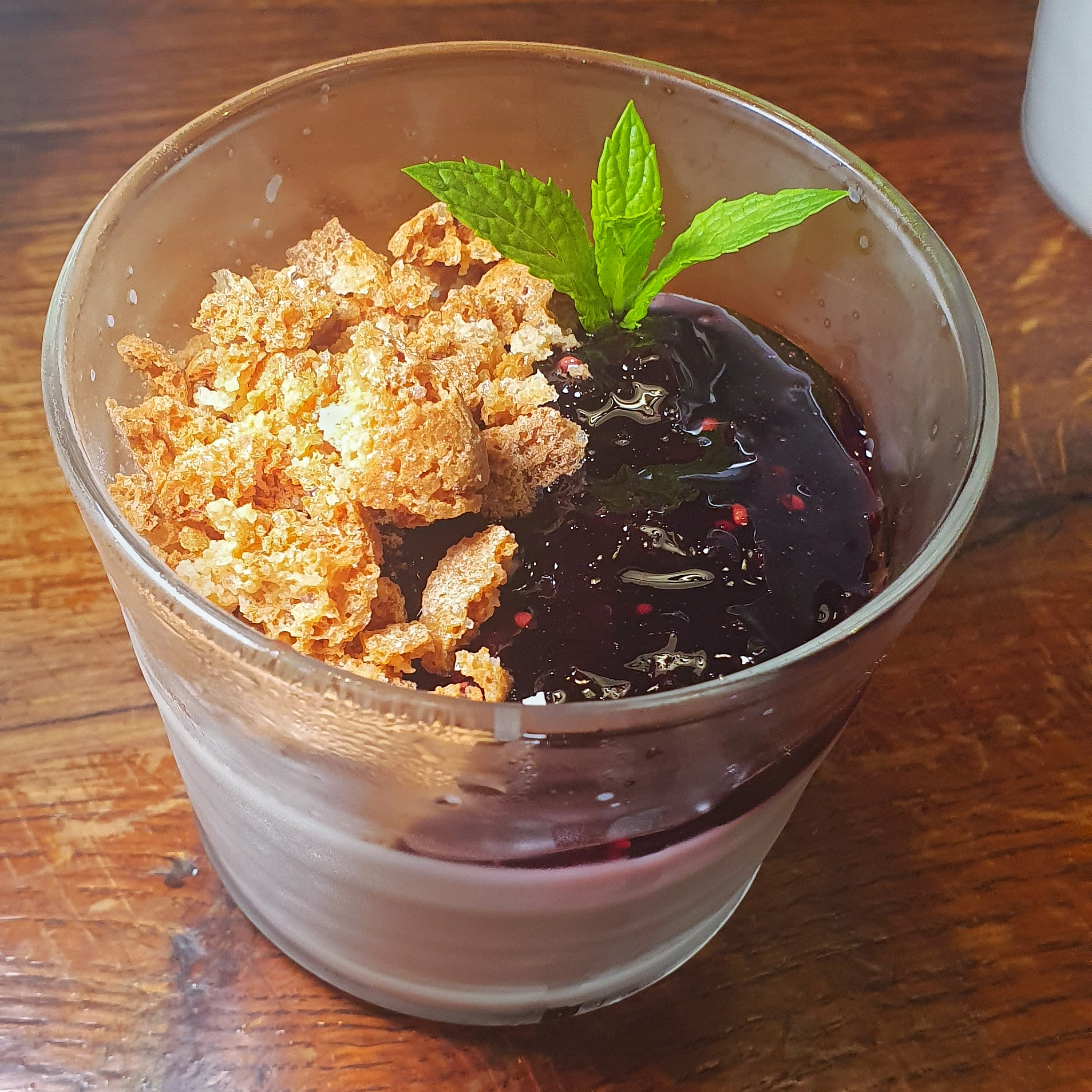
- Almond milk panna cotta, mulberry compote and amaretti crumble — a dessert built on the same seasonal, plant-based logic as the rest of the menu.
Nothing on the table read as a substitution. It read as its own menu, built to stand on its own.
How the evening came together
- A conversation ahead of time on the group’s size, the split between vegetarian and non-vegetarian guests, and what they’d liked about the original menu they’d found online.
- A new seasonal menu built from scratch, keeping the same spirit of technique and creativity but adjusted entirely to what was actually good and available at that time of year.
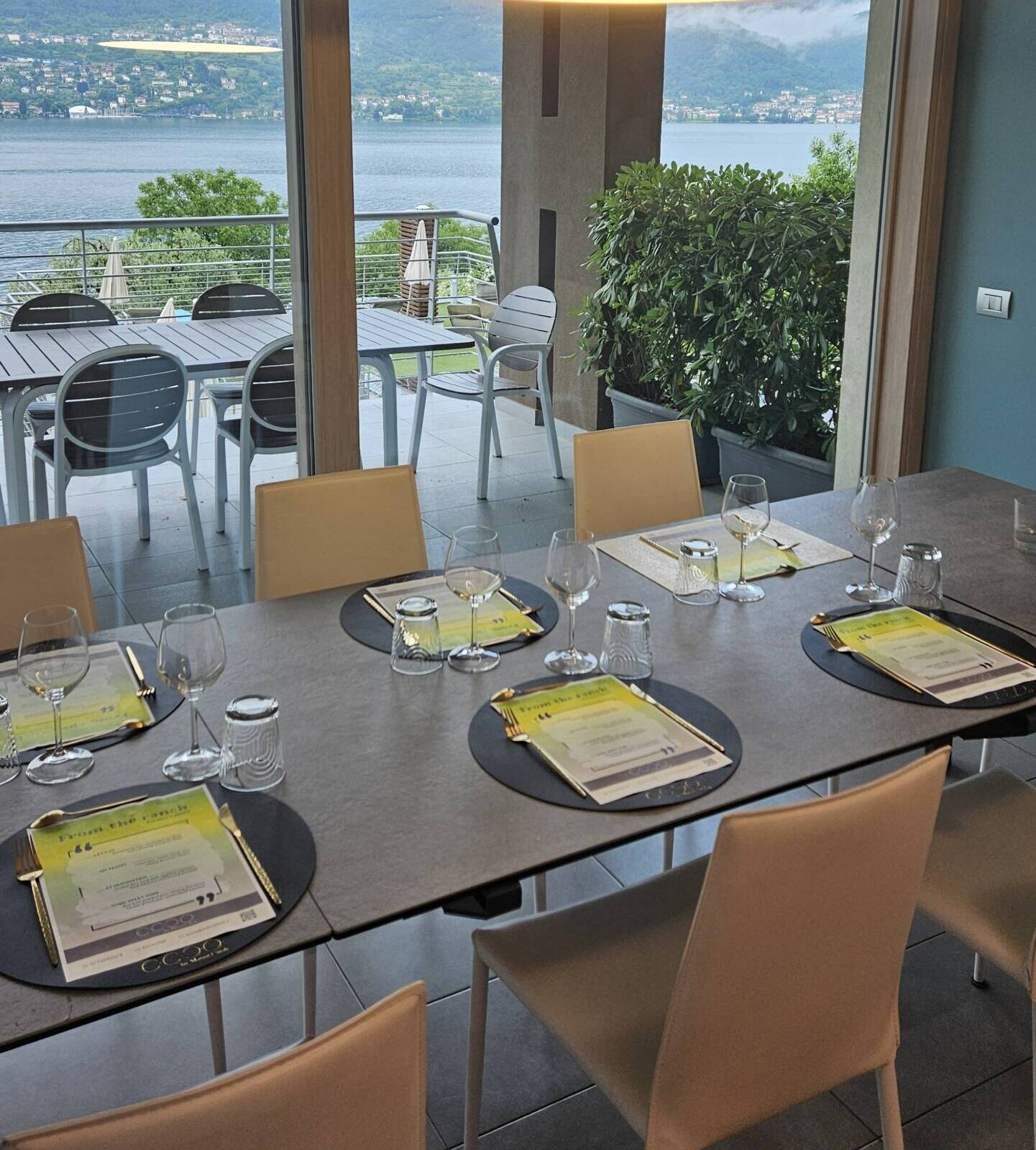
- The chef arrived about an hour before the agreed dinner time, unloading, setting the table, and getting the kitchen ready to serve.
- Dinner served at the villa’s own pace, the whole group at one table, with nobody eating a “special” plate that stood apart from everyone else’s.
- Kitchen cleaned and reset, leaving nothing behind but a menu the group hadn’t expected to enjoy quite this much.
Why this matters more on Lake Como specifically
Vegetarian guests traveling as part of a mixed group often brace for compromise — a menu built around meat with a vegetable dish quietly swapped in. Nesso, small and easy to overlook next to the lake’s bigger names, turned out to be a fitting setting for the opposite experience: a menu where the vegetarian guests weren’t accommodated so much as genuinely catered to, and the rest of the group ended up just as impressed by it.
Good to know
- Vegetarian menus are built fresh around the season, not recycled from a fixed template — availability and creativity both shift throughout the year.
- The approach leans on technique and texture rather than trying to imitate meat-based dishes.
- Works well for mixed groups, where only some guests are vegetarian — everyone eats from the same menu, nobody gets a separate “special” plate.
- Suitable for any villa or apartment kitchen in Nesso and across Lake Como.
If you’re part of a group with vegetarian guests and want a menu that doesn’t feel like a compromise for anyone at the table, get in touch with your group size and the season you’re visiting Lake Como, and a menu can be built specifically around what’s genuinely good right then.